





Choosing the best time to visit Europe is not just about whether it directly affects how your entire trip feels.
The same itinerary can feel completely different depending on when you travel. Crowds, pricing, availability, and even how much you enjoy each destination are all shaped by timing.
Many travellers focus on where to go, but experienced travellers focus on when to go, because that’s what determines whether your trip feels seamless or stressful.
This guide breaks down exactly when to visit Europe based on your priorities, with practical advice to help you plan smarter.
⸻
Quick Overview: When Should You Visit Europe?
- Best overall: April–June & September–October
- Best for sightseeing: May, June, September
- Best for beaches: June–August
- Best for budget: November–March (excluding holidays)
- Peak season: July–August
⸻
Before choosing your dates, it’s important to understand how timing affects your experience.
The biggest mistake travellers make is assuming:
“Good weather = best time to travel”
In reality:
- Good weather often = peak crowds
- Peak crowds = longer queues + higher prices
- Higher prices = worse hotel locations or reduced options
For example:
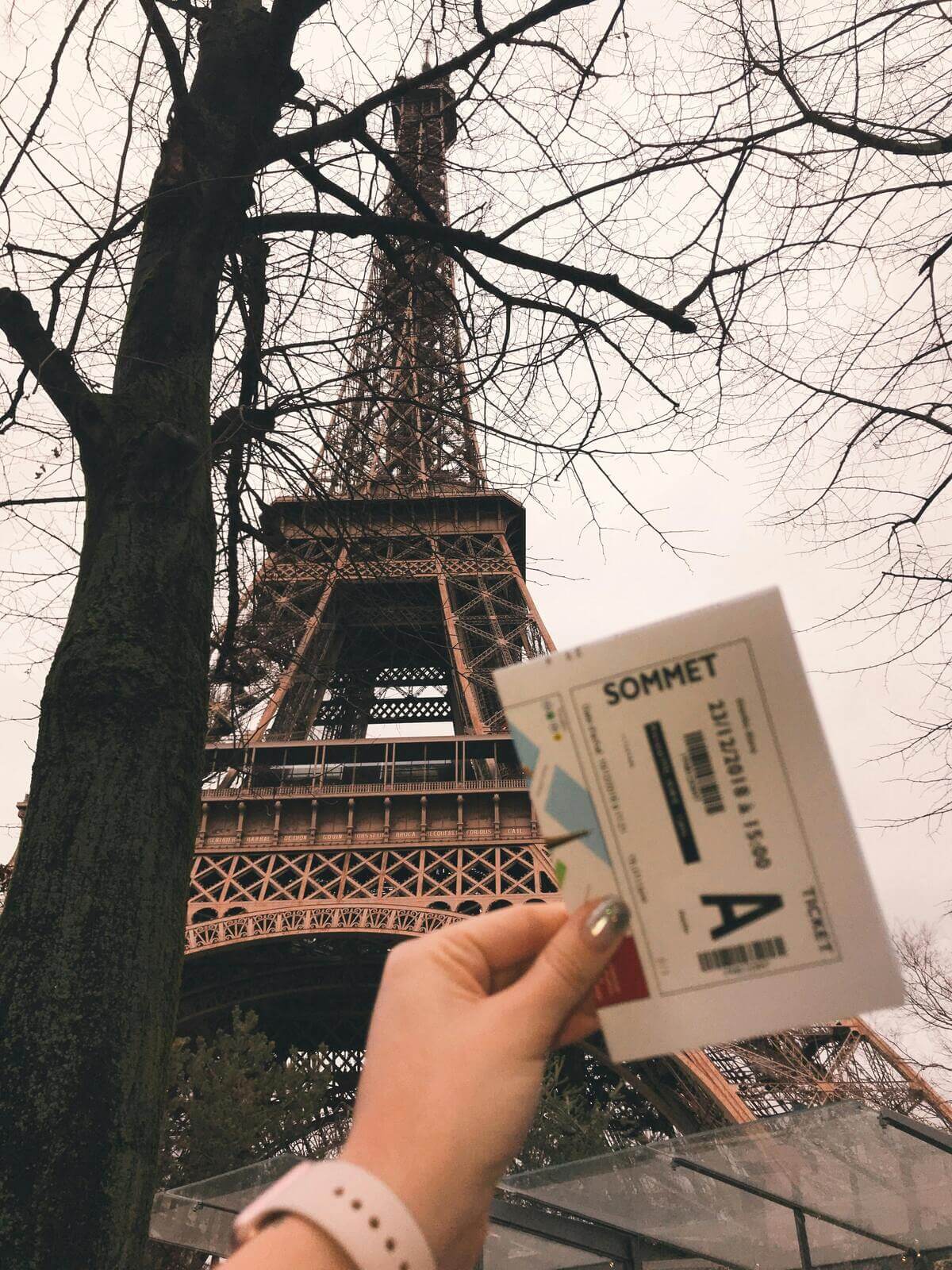
- Visiting the Eiffel Tower in July → long queues + crowded viewpoints
- Visiting in May → shorter waits + more flexibility
The result: the same attraction, completely different experience
If you’re planning a structured itinerary, timing becomes even more important.
check out How to Plan a 2 Week Europe Trip for ideas
⸻
Spring (March–May): Best for First-Time and Multi-City Trips
Spring is one of the most reliable times to visit Europe, especially if your itinerary includes multiple cities.
Temperatures are typically between 10–20°C, making it comfortable to walk for hours without exhaustion, something that becomes difficult in peak summer.
Why spring works well:
- Attractions are busy, but not overcrowded
- Hotels are more available in central areas
- Cities are easier to navigate at a relaxed pace
For example:
- Visiting Rome in April allows you to explore the Colosseum, Trevi Fountain, and Vatican in one day without extreme heat slowing you down
- In summer, the same day often becomes physically exhausting
Best strategy for spring:
- Plan 3–5 cities maximum in 2 weeks
- Focus on walkable routes (Paris → Amsterdam → Rome)
- Book accommodation centrally to reduce transport time
For Paris planning: Best Areas to Stay in Paris, you can also browse central hotels for your next trip
⸻
Summer (June–August): Only Ideal If Planned Correctly
Summer is the most popular time to visit Europe, but also the easiest time to get wrong.
In Southern Europe, temperatures regularly exceed 30°C, and combined with crowds, this can significantly reduce how much you can realistically do in a day.
What many travellers underestimate:
- Queue times at major attractions (1–2+ hours)
- Walking between locations in extreme heat
- Reduced energy, especially during midday
For example:
- Visiting the Colosseum at 2pm in July can feel rushed and exhausting
- Visiting at 8–9am allows a much better experience
How to make summer work:
- Plan early morning or evening sightseeing
- Limit to 2 key activities per day
- Stay centrally to avoid long commutes
- Book attractions in advance
Best use of summer:
- Coastal destinations (Amalfi Coast, Greek Islands, Spain)
- Slower-paced itineraries
- Fewer cities, more depth
⸻
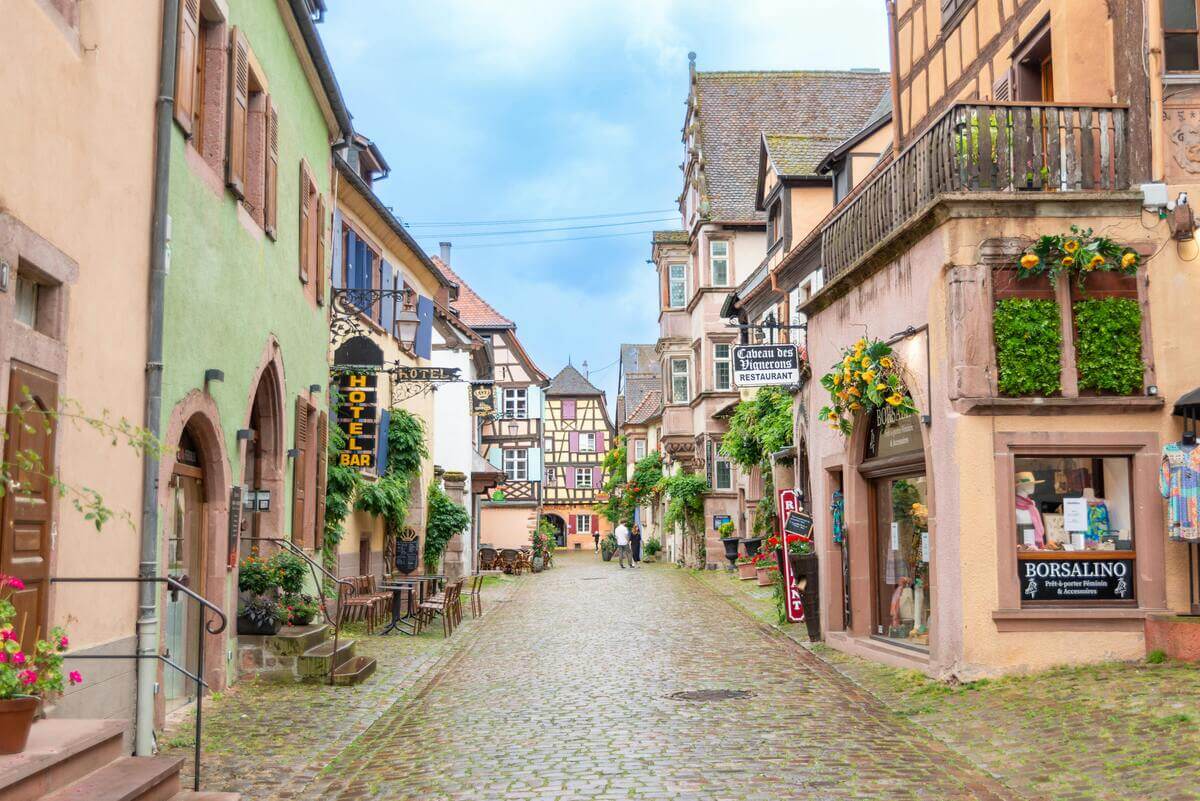
Autumn (September–October): Best Overall Travel Experience
Autumn is often the best time to visit Europe if you want a smooth, balanced trip.
Temperatures remain comfortable (15–25°C), but crowds begin to decrease, especially after early September.
Why autumn stands out:
- Easier access to attractions
- More availability for hotels
- A more relaxed atmosphere across cities
For example:
- Walking through Paris in late September feels significantly less crowded than in August
- Restaurants, museums, and landmarks are easier to enjoy without rushing
Best strategy for autumn:
- Ideal for multi-city itineraries
- Great for couples or slower travel
- Combine cities + scenic regions
This is often the best time for first-time Europe trips done properly
⸻
Winter (November–February): Best for Budget or Specific Experiences
Winter changes how you experience Europe and it’s not for every itinerary.
Temperatures can drop below 5°C, and daylight hours are shorter. However, this comes with clear advantages.
Where winter works well:
- Lower prices on hotels and flights
- Fewer tourists
- Seasonal experiences (Christmas markets, skiing)
For example:
- Vienna, Prague, and Munich are popular in December for Christmas markets
- Alpine regions become ideal for ski trips
When to avoid winter:
- If you’re visiting multiple cities quickly
- If your trip relies on outdoor sightseeing
Best use of winter:
- Short city breaks
- Single-destination trips
- Experience-based travel

⸻
Month-by-Month Breakdown (Quick Decisions Guide)
January–February
Cheapest travel period
Cold, limited daylight
Best for budget or winter trips
March–April
Start of spring, fewer crowds
Good for early-season travel
May–June
Best overall conditions
Ideal for full Europe itineraries
July–August
Peak season energy
Expensive + crowded
Best for beaches, not fast itineraries
September–October
Best balance overall
Highly recommended for most travellers
November–December
Lower prices + festive atmosphere
Best for Christmas markets
⸻
How to Choose the Right Time (Based on Your Trip Style)
Instead of asking “when is best”, ask:
- Do I want fewer crowds or peak atmosphere?
- Am I prioritising comfort or budget?
- Is my trip fast-paced or relaxed?
Best recommendations:
- First-time Europe trip → May or September
- Multi-city itinerary → Spring or Autumn
- Beach holiday → Summer
- Budget travel → Winter
Check How to plan a multi-city Europe trip for itinerary structure insight.
⸻
Key Takeaways for Planning Your Europe Trip
The best time to visit Europe is not universal, it depends on how you want to experience it.
Choosing the right season allows you to:
Avoid unnecessary crowds and delays
Get better value on accommodation and flights
Enjoy destinations at a more natural pace
Build a smoother, more efficient itinerary
A well-timed trip doesn’t just look better on paper. it feels easier, more enjoyable, and far less rushed.
⸻
Plan Your Europe Trip with Confidence
If you’re planning your trip, start with timing, then build your itinerary around it.
When it comes to booking, finding the right balance between price, location and experience can make a huge difference to your trip.
If you’d prefer a stress-free, fully planned experience, we can help.
We offer tailored Europe itineraries and exclusive travel deals, including multi-city trips, city breaks and curated packages designed around your budget and travel style.
- Flights
- hotels
- routes
- Access to competitive Europe deals
- personalised recommendations
All handled for you
Get in touch to start planning your Euro Trip