





Planning a trip across Europe is one of those things that feels exciting in theory, until you actually try to budget it.
Flights fluctuate daily, hotel prices vary widely by location, and transport between cities can be either seamless or unnecessarily expensive depending on how you plan it.
The reality is: most people either underestimate their costs, or overspend simply because they don’t structure their trip properly.
This guide breaks down what a realistic 2-week Europe trip costs in 2026, along with practical advice on where people go wrong and how to plan it more efficiently.

⸻
What You Can Expect to Spend (Realistic Ranges)
The total cost of your trip depends less on “Europe” as a whole, and more on how you travel within it.
A well-structured trip can feel comfortable and seamless without being overly expensive, while a poorly planned one can cost significantly more with less enjoyment.
Here’s a realistic breakdown:
Budget travel: £1,200 – £2,000 per person
Mid-range (most travellers): £2,000 – £3,500 per person
Higher-end / luxury: £3,500+ per person
Most travellers aiming for a balance between comfort and value fall within the mid-range bracket, where you’re staying in good locations, travelling efficiently, and not compromising on experience.
⸻
Flights: Where Timing Matters Most
Flights are often one of the biggest cost variables and also one of the easiest places to save money if approached correctly.
For travel within Europe:
Return flights typically range between £150 – £400
Peak summer or late bookings can exceed £500+
Example based on recent pricing trends:
- London → Barcelona (return): £120 – £250
- Milan → Paris (one-way): £40 – £90
- Barcelona → Rome: £60 – £150
What many people don’t realise is that the structure of your trip affects flight pricing just as much as timing.
For example:
- Flying into one city and out of another (multi-city flights) is often more cost-effective than returning to your starting point
- Mid-week departures (Tuesday–Thursday) are consistently cheaper
- Early morning or late evening flights tend to have better pricing
Practical tip:
Start by mapping your route first, then check flights, not the other way around. This alone can save hundreds.

⸻
Accommodation: Location vs Value
Accommodation is where budgets can quietly spiral, especially if you prioritise convenience without strategy.
Typical pricing:
- Budget stays: £40 – £80 per night
- Mid-range hotels: £80 – £180 per night
- Premium/luxury: £200+ per night
For a 14-night trip, that results in roughly:
£800 – £2,000 total (mid-range average)
However, the key isn’t just price, it’s location efficiency.
Many travellers overspend by:
- booking central hotels in every city
- not considering transport access
- or moving hotels too frequently
Smarter approach:
- Stay centrally in high-activity cities (e.g. Barcelona, Paris)
- Stay slightly outside centre in others (with good transport links)
- Choose fewer, better-located hotels instead of constantly moving
This improves both cost and overall experience.

⸻
Transport Between Cities: Where Planning Pays Off
This is one of the most underestimated parts of a Europe trip.
Poor route planning leads to:
- unnecessary flights
- long travel days
- higher costs
Typical costs:
- Trains: £30 – £100 per journey
- Budget flights: £40 – £150
Total for a 2-week multi-city trip: £100 – £400
But more important than cost is route logic.
For example:
Good route:
Barcelona → Nice → Milan → Florence → Rome
Poor route:
Barcelona → Rome → Paris → Milan
The second option may look similar on paper but costs more in both time and money.
Practical tip:
Always move geographically, not randomly. Your route should flow naturally across the map.
⸻
Daily Spending: Food, Drinks & Experiences
This is where your personal travel style comes into play.
– Budget: £30 per day
– Mid-range: £50 – £80 per day
– Higher-end: £100+ per day
Over 14 days: £400 – £1,200
What often gets overlooked:
– small daily purchases add up quickly
– tourist areas inflate prices significantly
– spontaneous spending is rarely budgeted for
Practical tip:
– Plan 1–2 “higher spend” experiences
– Balance with casual meals and local spots
– Avoid eating in main tourist squares

⸻
Activities & Attractions
Most travellers underestimate this category.
Entry tickets, tours, experiences: £100 – £300 total
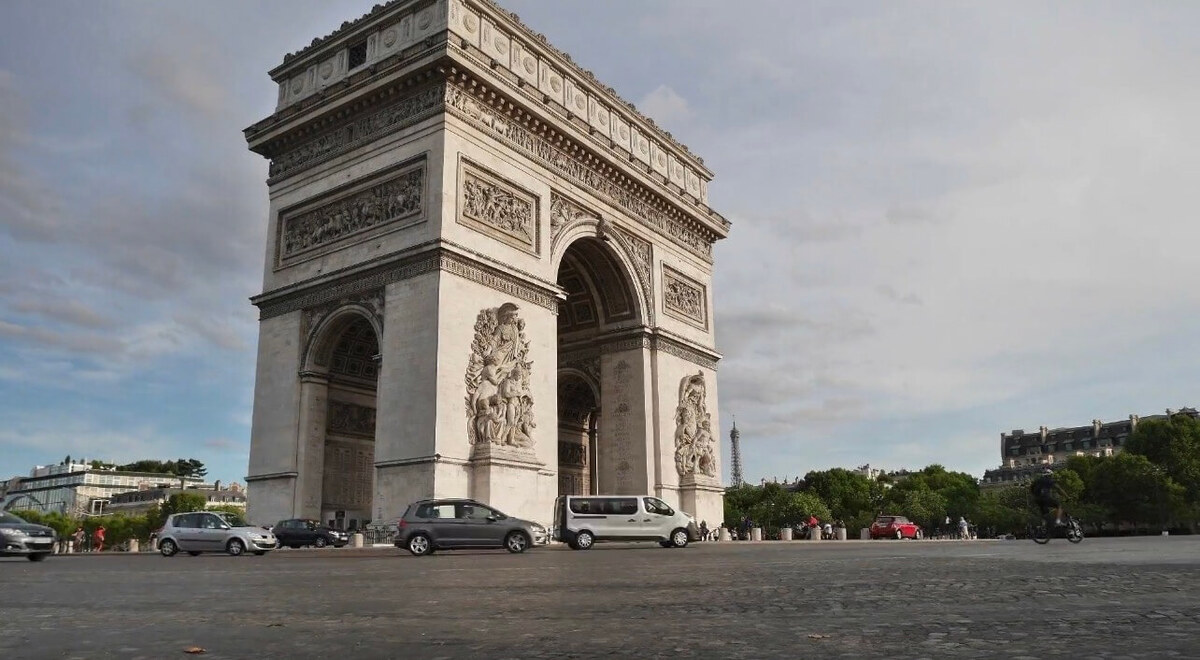
Popular attractions (like the Colosseum, Sagrada Familia, or Eiffel Tower) often:
- sell out
- cost more last minute
- involve long queues
Tip: Pre-book key attractions early, not only to save money, but to structure your days better.
⸻
Example: A Realistic 14-Day Europe Trip Cost
Based on a well-planned multi-city itinerary:
– Flights: £250
– Accommodation: £1,200
– Transport: £250
– Food & activities: £700
Estimated total: ~£2,400 per person
This falls comfortably within the mid-range category, where you’re travelling well without overspending.
⸻
Where Most People Go Wrong
This is where costs increase unnecessarily:
- Booking destinations without considering route
- Prioritising “popular” over practical
- Leaving flights and hotels too late
- Trying to fit too many cities into one trip
These mistakes often result in:
- higher costs
- more stress
- less enjoyment
⸻
How to Plan More Efficiently (and Save Money)
If you want your trip to feel smooth and well-balanced:
- Limit your trip to 3–4 key destinations
- Plan your route before booking anything
- Mix trains and flights strategically
- Book core elements early (flights + main hotels)
- Build in downtime , not every day needs to be packed

⸻
Bringing It All Together
By now, you should have a much clearer idea of what a 2-week Europe trip actually costs and more importantly, why those costs vary so much.
The difference between a stressful, expensive trip and a smooth, well-balanced one usually comes down to how it’s structured.
From choosing the right route to booking transport efficiently and selecting well-located accommodation, small decisions can significantly impact both your budget and your overall experience.
Useful Resources to Help You Plan
If you’re planning this yourself, these tools can make the process much easier:
Flights: Use platforms like Skyscanner or Google Flights to compare routes and find the best timing and pricing.
Hotels: Booking.com is great for flexibility, while Airbnb can be useful for longer stays
Trains: Rail Europe or Trainline make it easy to compare routes across countries
Activities: GetYourGuide and Tiqets is useful for pre-booking popular attractions and avoiding queues
( where possible, booking early always gives you more flexibility and better pricing.)
Continue Planning Your Trip
If you’re still in the planning phase, you might find these helpful:
you Read: How to Plan a Multi-City Europe Trip
also view: Steal Our 14-Day Europe Itinerary
These will help you connect everything together, from structure to real examples.

⸻
Prefer a Done-For-You Plan?
If you’ve read this and realised how many moving parts there are, that’s completely normal.
Planning a multi-city trip isn’t just about finding cheap options, it’s about making sure everything works together seamlessly.
If you’d rather have it structured properly from the start, we can help.
we create tailored itineraries that include:
- optimised flight routes
- well-matched accommodation
- efficient transport between cities
- a day-by-day plan that actually flows
you can enquire here
A 2-week Europe trip doesn’t have to be overwhelming or unnecessarily expensive.
With the right approach, it becomes: easier to organise, more cost-efficient and far more enjoyable.